8 febbraio 2011

3 febbraio 2011

WHAT'S NOISE FOR YOU? (featuring John Olson)


Noise is ANARCHY from a boiling brain thru a LOUD AMP in PUBLIC.


John Olson on discogs

1 febbraio 2011

WHAT'S NOISE FOR YOU? (featuring Sam McKinlay - THE RITA)


Noise to me is getting moved through the surface of the water at a vicious rate. Dirty and low-fi crashing waves of perfect crunch and rumble - as a shark drags me into oblivion.

31 gennaio 2011

WHAT'S NOISE FOR YOU? (featuring GX Jupitter-Larsen)


What's noise for me? Noise is the new silence. It's a kind of silence with a lot more depth than quiet.

About
Discography

30 gennaio 2011

WHAT'S NOISE FOR YOU? (featuring Campbell Kneale)

What is noise for me?

I hate noise. Noise is the opposite of everything I want out of life. Our entire world is constantly vibrating with needless and facile hyperactivity, an activeness that is compulsive and out of our control. Email, facebook, mobile phones, blogs, iPods, wi-fi... intoxicating cacoons of faceless digital interconnectedness... all shouting for our attention, transgressing our intimacies, distracting us from being where we are at any given moment. Noise divides our attention into ineffective splinters, keeping us disconnected from the present. Noise is the bi-product of a society that is addicted to a consumerist fantasy.

Why would people want to celebrate all that in music?

I dont want to be connected to all that. I want to be quiet. To think slowly and deeply. To wonder. To care about things. To actually listen to people like they matter. To learn stuff. To find something better in life than buying things to make me feel better.

'Noise Music' (TM) is the obvious and 'cheesy-art-school' end point of a distracted generation of people who no longer have time to craft their musical responses to the world. The idea that in 2011, YOUR particular take on manipulating effects pedals still contributes anything at all to anybody except yourself is almost delerious in its stupidity.

Dont get me wrong, many of my favourite artists are at the very furthest end of the spectrum when it comes to creating powerful sound... but without exception, all have been able to transcend their equipment and create sound with SOUL. Sound with a musicality that renders the term 'noise' inappropriate. Music that sounds like it fell out of the sky rather than was tweaked up from a table of high-powered effect pedals. Music that moves you in ways that go far beyond mere SOUND.

I have no interest in 'noise music'. I want to make silence. My music is a frantic (and ultimately futile) attempt to cancel out every frequency in the room with the sound I am making so that people can regain the ability to think again. So that people can stop. So they can concentrate on something just for a little while. So people can be more human. So they can be happy with what they have. Happy to be alive.

Noise is satan.

Campbell Kneale on discogs

WHAT'S NOISE FOR YOU? (featuring Kazumoto Endo)


Noizu is Japanese traditional arts.


About

19 gennaio 2011

WHAT'S NOISE FOR YOU? (featuring Nicola Vinciguerra - Fecalove, Taeter, Splinter vs Stalin)

Il noise è il cazzo duro nelle orecchie .
E' la migliore forma di rock and roll e , quindi , la musica più bella mai creata dall'uomo .
E' piacere auricolare puro , senza tante cazzate inutili .
La qualità non conta . Viva la cagnara .

Noise is an erected cock in your ears . It's the best form of rock and roll, and thus the most beautiful music ever created by mankind .
It's pure auricular pleasure, without bullshit. Quality doesn't count
. Hail noise.

*

18 gennaio 2011

WHAT'S NOISE FOR YOU? (featuring Geoff Walker - Gravitar)


What's noise for me?

It's the place where I can relax and bring out all my ideas. It's a place of what, in Expressive Arts Therapy, is called "low skill, high sensitivity." In other words, as long as you feel what you're doing, it's legitimate, regardless of your technical prowess with a certain instrument. It's a place where I can go pahououououuouuooouougahoooouuugaahoooug into a microphone and make that into a highly textured sound collage. That's not to say that anyone blowing into a mic makes high art, but that anyone can make noise, and certainly, with some effort (and or luck), that noise can become extremely artful and intentional.

I like the balance of freedom and fear that comes with the unknown. Playing music in this paradigm often has a large element of unknown, and that can be uncomfortable, but it's also an inherently open-ended horn-of-plenty in terms of opportunities for growth.

At the same time, it seems there is almost never anything new in noise. Some records or performances are surprising or startling, but looking backward we can almost always find someone that's done it before. That knowledge helps me let go of my self-consciousness. My concern about whether or not someone else thinks what I'm doing is cool has increasingly dropped away, allowing me to truly use noise, or sound collage, or sonic creation, as a palate for self-expression. My exploration of sound both as a listener and a performer, has helped free me to follow my own internal rhythms in both music and life (is there a difference? Music is the best).

p.s. "What's noise for you?" è una rubrica, ovviamente a scadenza irregolare, e che non ha bisogno di spiegazioni. Ci è solo sembrato utile, curioso e opportuno, in un momento in cui il noise diventa sempre più trasversale, sentire dalla voce dei suoi protagonisti che significato attribuiscono al "rumore". Si comincia con Geoff Walker, che abbiamo già incontrato su queste pagine, figura storica del noise americano già negli anni '90 coi Gravitar...

7 dicembre 2010

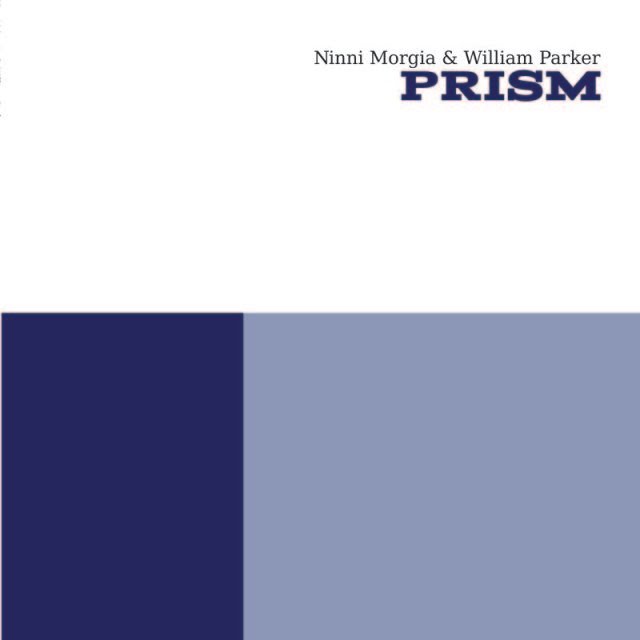
Ninni Morgia & William Parker - “Prism” – 2xlp (Ultramarine)


Di ritorno su queste lande dopo uno iato che non merita arrampicate di specchio, era giusto ripartire, coerentemente, con un disco che non merita queste lande, in senso “buono”, ossia si parla di un album che, per ascendenze e livello realizzativo, figurerebbe bene anche in luoghi meno ameni. Ma dato che l’obiettivo di Ninni Morgia, chitarrista siculo-newyorkese da anni imperterrito agitatore dei sottoboschi musicali della Grande Mela, non è quello di referenziarsi nei “giri che contano”, ma più prosaicamente gli interessa produrre ottima musica (per davvero), non si sentirà troppo fuori posto nei meandri di Pillaloo. E poi, francamente, un po’ di improvvisata come si deve da queste parti ci vuole. Tanto più che la materia che fuoriesce dalla sua chitarra e dai gruppi in cui di volta in volta si è misurato è da tempo prossima tanto ai territori dell’avant-jazz più astratto che a quelli della fire-music più focosa e bendisposta alle derive etno-weird (vedi il la Ninni Morgia Control Unit) o free-rock (i The Right Moves, sempre su Ultramarine). E tanto più, ci ripetiamo e amplifichiamo, che il collaboratore di questa nuova sortita di Morgia è il veteranissimo contrabbassista americano William Parker, uno che le mani non ha mai smesso di sporcarsele nonostante sia uno degli strumentisti più quotati a livello internazionale, al punto che una dozzina d’anni fa, quando era già un gigante riconosciuto, se ne stava a fare dischi con un sublime inetto come Mr. Dorgon, e negli ultimi anni, tra una data e l’altra con Cecil Taylor, ha trovato il tempo di flirtare con grandi “ripescati” come Daniel Carter (già con Morgia nella Control Unit) e Charles Gayle, questo senza dimentare l’esperienza giovanile in Giappone, ancora una volta umile e curioso, e la partecipazione all’esordio dei Seikatsu Kōjyō Iinkai di Kazutoki Umezu. Insomma, da William Parker ci si può aspettare ogni cosa e Morgia lo sa bene, tanto che non fa nulla per mettere a suo agio il corpulento bassista. E così “Prism” presenta quattro facciate per quindici tracce numerate fatte di suoni autenticamente spettrali. La chitarra di Morgia si scompagina in baluginanti particelle elettroniche, imprendibili e graffianti, imparentate col puntilismo di Stockhausen, ora frementi come foglie scosse dalle folate d’autunno (Prism I con il tremolio delle corde di Parker), ora avvolgenti del freddo abbraccio di un elettrodomestico impazzito (II) mentre Parker esplora circospette scale jazz, ma non manca di cimentarsi anche con un flauto spagnolo in una sgraziata e scheletrica fanfara (V, con Morgia che appare e scompare sotto la soglia dell’ombra) e con una specie di zufolo (IX) in un numero di astrazione lunare che rimanda al meraviglioso e misconosciuto capolavoro Esp “We Move Together” del Sea Ensemble. Ma è proprio in un livello d’astrazione jazz notturna raramente raggiunto, sotto il cielo terso di un’arcadia gelida e irreale, in cui la chitarra assume strane accentuazioni di cicaleccio percussivo (XIV) fino a stemperarsi nel più ipnotico dei feedback (IV), che sta il segreto di un album destinato a tornare a tormentare chi lo ascolta. Un disco che ha forse qualche lungaggine, ma dispensata con tanta classe e una vocazione all’impressionismo, di livello quasi “giapponese”, che non si poteva dare per scontata ed è una bellissima sorpresa.